
You are at the counter, and the shopkeeper points at a QR code taped to the wall.
You scan it, you pay, you walk out.
No cash, no card, no signature.
That habit started with mobile wallets.
What is a mobile wallet?
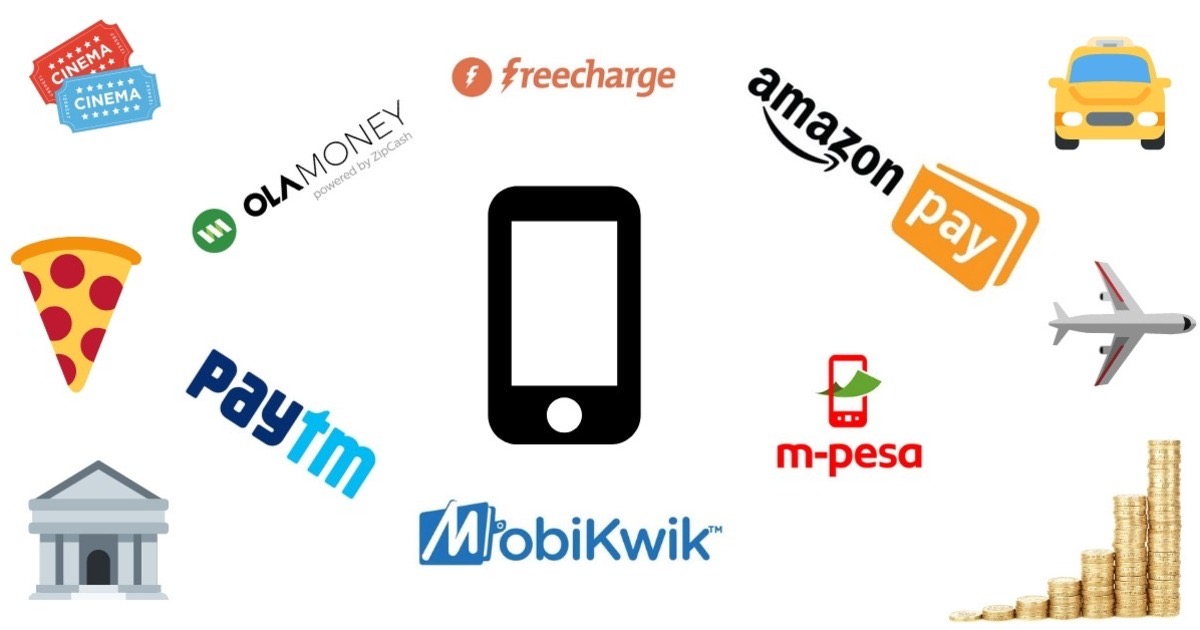
A mobile wallet is an app that holds a small amount of your money.
Paytm, Amazon Pay and Mobikwik are the names most people know.
You top it up from your bank account first.
Then you spend from that balance.
Because the money is already inside the app, paying is instant.
No card number, and no waiting for an OTP.
An OTP is a One Time Password, the six digits your bank texts you to approve a card payment.
Why did everybody start using them?
Card payments in India need that OTP every single time.
It is safer, but it is slow.
On a weak network it fails far too often.
Wallets skipped the whole step.
They also capped your risk.
If something goes wrong, only the small balance inside is exposed, not your full credit card limit.
Has UPI replaced them?
For everyday spending, mostly yes.
UPI stands for Unified Payments Interface.
It lets you pay straight from your bank account by scanning a QR code.
You approve it with your UPI PIN and the money moves in seconds.
There is no balance to load first.
Google Pay, PhonePe and Paytm all run on UPI.
So does the QR code at your chemist and your chaiwala.
That is simply less work than keeping a wallet topped up.
So do I still need a wallet?
Only for a few specific reasons.
Cashback is the main one.
Wallet companies still tie up with merchants and run offers UPI will not give you.
Amazon Pay balance is handy if you order from Amazon.in often.
Refunds land back in a wallet instantly, where a card refund can take days.
Some people also use a wallet as a spending limit.
They load a fixed amount on Monday and stop when it runs out.
One thing to watch: a wallet needs full KYC before you can move money back out of it.
KYC just means proving your identity with an ID document.
Things to Remember
- Keep only small amounts in a wallet, exactly like the cash in your pocket.
- Use UPI for daily payments; it is faster and accepted almost everywhere.
- Finish full KYC on any wallet you actually use, or your money gets stuck inside.
- Check the cashback offer before you pay, not after.
- Never share your UPI PIN or an OTP with anyone, whatever they claim on the phone.